Stories
January 20, 2026
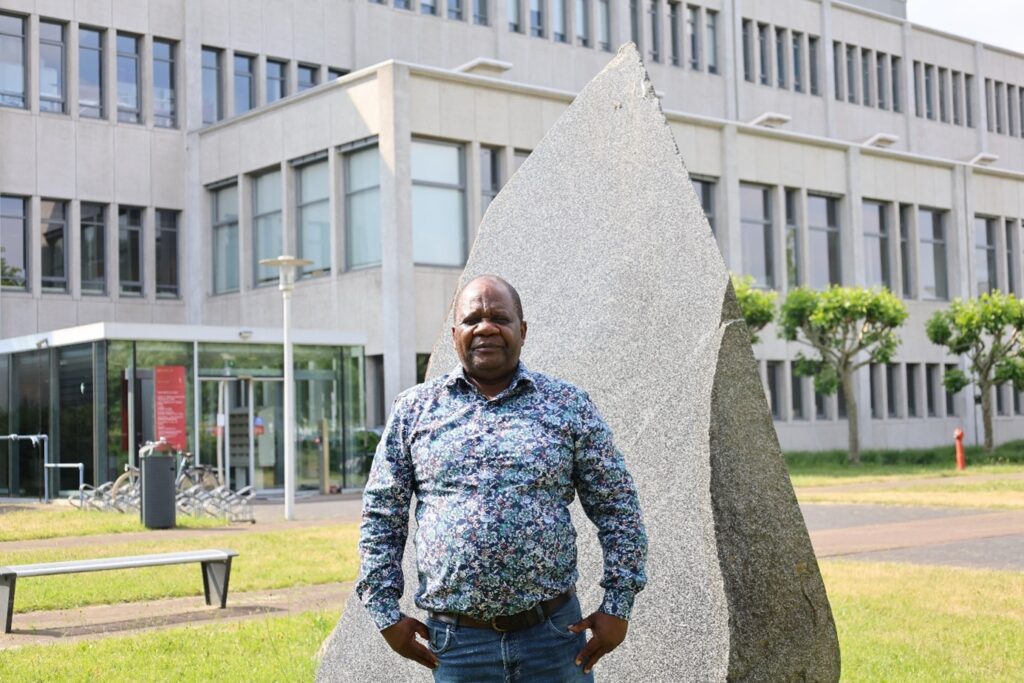
Henry Chivhanga is a 56-year-old Zimbabwean human rights defender who advocates for disability rights. He was a guest in Shelter City Nijmegen in the Spring of 2025. Henry leads the Disability Amalgamation Community Trust (DACT) as its founder and director. They are an organization dedicated towards the representation of minority voices and agency, especially people with disabilities in public spaces.
The reality of persons with disabilities in Zimbabwe
Persons with disabilities face many challenges on a broad scale and are one of the most marginalised groups in Zimbabwe. The lack of accessibility in most public spaces including schools, hospitals, and public transport systems, means that they are often excluded from society. Henry reflects on how when he was growing up there were no accessibility accommodations.
“I could see that there was this stigma attached to persons with disabilities and you could actually see that when they were planning any activities, you were an afterthought.”
The highlights and successes of DACT
As part of his work for DACT, Henry works on three thematic areas. The first is disability rights as human rights, to uphold and support the social, economic, political, and environmental rights of the persons with disabilities. This also includes the human right to rest and leisure as he arranged visits to national parks, which was a unique opportunity that is often not possible for persons with disabilities due to the lack of accessible transport options.
The second thematic area is climate justice, as climate change uniquely impacts persons with disabilities. DACT educates individuals on the impacts, and how they can be involved in climate-friendly policy and action. Finally, he focuses on economic justice which includes understanding of one’s land, smart agriculture and advancing economic rights by growing crops and reselling crops.
Ultimately, Henry highlights the need for a political will to include persons with disabilities as communities and government work together. This will make societies more accessible, promotes democratic values, and highlights social justice.
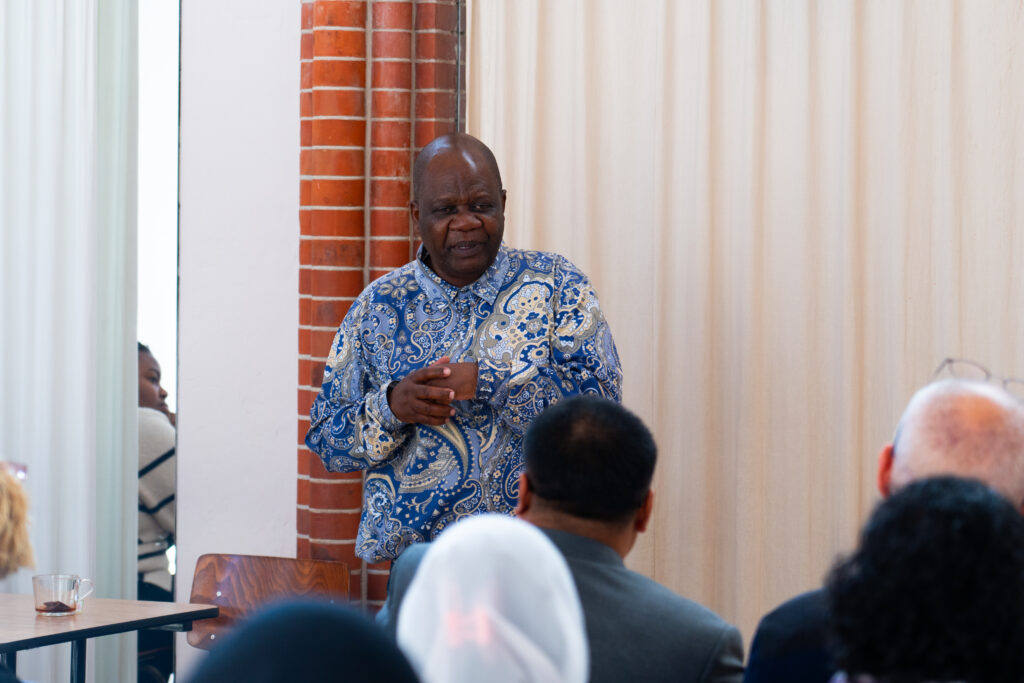
This article is written by Henry, himself, as he reflects on his participation in the Shelter City program and a turning point in his advocacy, wellbeing and community transformation.
When I, Henry Chivhanga, arrived in the Netherlands for my Shelter City residency, I carried more than the weight of my human rights work. I carried years of political exile, burnout, and the emotional strain of being separated from my daughter for nearly a decade. As the Founder and Executive Director of the Disability Amalgamation Community Trust (DACT) in Zimbabwe, I had spent years advocating for documentation reform, inclusive governance, and the rights of persons with disabilities — often under intense pressure and personal risk.
The Shelter City program offered me something I had not experienced in years: rest, safety, and the space to breathe. The psychosocial support, wellbeing sessions, and the simple experience of being in a secure environment allowed me to reset emotionally and physically. Reuniting with my daughter, son‑in‑law, and grandchildren after almost eight years became a deeply healing moment that restored my sense of purpose and strengthened my resolve. I felt loved, appreciated and, for the first time in my life, I came to understand the extent to which my work had impacted internationally. My hosts were warm, caring and very accommodating. They showed me love and I experienced love in the Netherlands.
But the program did more than restore my wellbeing — it transformed my advocacy.
Through the security training, I gained practical tools that now shape how I navigate risk, protect my networks, and conduct sensitive advocacy work. Digital hygiene, risk mapping, and safer communication practices have become standard within DACT, and I have trained colleagues and community partners to adopt these strategies. The programme’s emphasis on wellbeing helped me integrate sustainable practices into my daily life, ensuring I can continue my work without sacrificing my health.
Exposure to inclusive service models in the Netherlands — particularly through Driestroom and Bureau Wijland — expanded my understanding of universal design and strengthened the evidence base for my policy advocacy back home. These relationships have continued beyond the Shelter City program, evolving into ongoing professional collaboration and personal support.
Upon returning to Zimbabwe, my renewed energy and sharpened strategy led to a powerful community initiative: the Zik Agricultural Project. Named after a group of visually impaired young men then whose determination inspired the idea, the project empowers persons with disabilities through accessible farming, income generation, and community inclusion. What began as a small pilot has grown into a model of disability‑inclusive livelihoods, demonstrating how economic empowerment can transform dignity, agency, and social acceptance.
The Zik project has become a living example of the values strengthened during my Shelter City stay: resilience, inclusion, and community‑driven change.
My advocacy has also expanded nationally. I continue to lead efforts on documentation reform, engaging government institutions, civil society, and international partners with renewed clarity and confidence. My participation in Shelter City increased my credibility among stakeholders, opening doors for deeper policy dialogue and collaboration.
Despite ongoing challenges — including intimidation related to my work — I now face these risks with greater preparedness and a stronger support network. My security situation remains fragile, but my capacity to respond has significantly improved.
Today, I describe the Shelter City programme as a turning point in both my personal life and professional journey. It restored my wellbeing, strengthened my security, expanded my international partnerships, and catalysed a new phase of community impact through the Zik project. The programme’s long‑term influence is visible not only in my own resilience, but in the lives of the people I serve. For donors and partners, my story demonstrates the profound, lasting impact of investing in human rights defenders: when defenders are protected, supported, and empowered, entire communities benefit.
I THANK YOU!